THE LOS ANGELES AREA PACIFIC AIDS EDUCATION AND TRAINING CENTER at the University of Southern California (USC) created one of the first HIV Fellowships open to primary care physicians in 2001. Now in partnership with the Los Angeles County Department of Health Services (DHS), the second-largest municipal safety net system in the United States, the program offers a unique HIV fellowship for physicians committed to improving primary care for people with HIV in underserved communities. This program brings together the unique strengths of DHS, USC Keck School of Medicine’s Los Angeles Area Pacific AIDS Education Training Center, the University of California Los Angeles National Clinician Scholars Program, and ViiV Healthcare.
The purpose of the fellowship is to train physicians in the knowledge and skills necessary to provide expert HIV care, to be health systems leaders, and to be successful community partners in patient-centered and community-specific HIV interventions.
Recent Graduates’ Experiences
The director of operations for the HIV Clinical Leadership Fellowship Program, Shanna Livermore, MPH, MCHES, FRSPH, MHFA, recently talked with new graduates of the program. Below is their exchange.
Bianca Hill, MD, MPH, AAHIVS
What makes you passionate about HIV care?
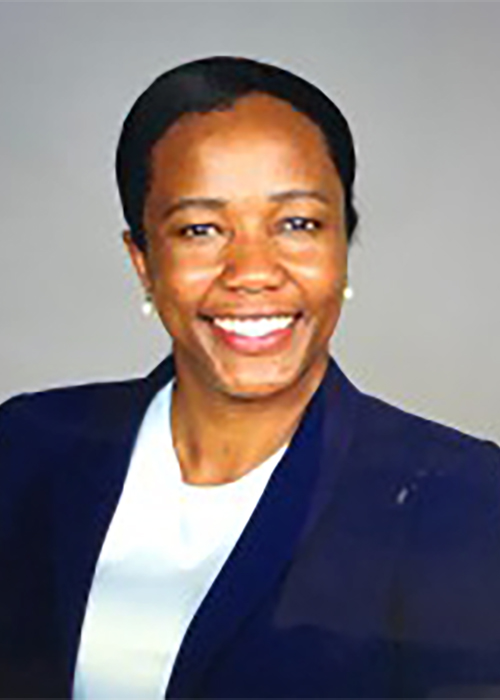
My passion for HIV care stems from my ethnic background as a Black Woman with an understanding of the disproportionate burden HIV has on my community. I wasn’t aware of the impact HIV has on Black women until 2012, when I worked on Rikers Island during my MPH. It was during my thesis work that I got a first look at the HIV data amongst Black Women. Learning that Black women account for the highest new infection and prevalence of HIV motivated me to enter the realm of HIV medicine, not only as a clinician but as a researcher at times.
What brought you to the HIV Clinical Fellowship?
Interestingly, I discovered the HIV Clinical Fellowship at the AAFP annual conference in 2017. At the time, I was a third-year medical student and ineligible for the fellowship, so I saved the Fellowship information in my favorites search bar until I became eligible. I have appreciated the fellowship’s dedication to HIV care, while integrating education about HIV resistance, latest treatments, co-infections, etc. Also, I enjoyed the opportunity to work within the correctional setting again at the LA County Jails, specifically focusing on providing HIV care to women.
What are some key clinical and academic lessons learned through your training with the fellowship?
The number one key academic lesson learned during my training would be HIV resistance and how to manage it. The fellowship’s monthly resistance conference is, in my opinion, the gem of the program. It’s an opportunity for fellows to learn how viral resistance complicates HIV care. The Resistance conferences provide a more in-depth knowledge of each HIV drug class and specific drugs. This conference is also an opportunity to learn from your peers, whether they have been working in HIV for years or just beginning. In the beginning, presenting at the monthly resistance conferences can be intimidating. However, as you learn how different viral resistance affects a drug regimen along with your patient’s clinical knowledge, these presentations become easier over time. Also, the fellowship has excellent faculty to help guide fellows and provide presentation feedback.
What was your favorite clinical experience and why?
My favorite clinic experience is when patients achieve U=U. It is rewarding to see tears of fear turn into tears of joy after patient hear their viral load is undetectable. I think that for patients hearing undetectable reassures them that HIV is not a death sentence, and that they can go on to live a healthy life. Patients becoming undetectable also reinforces that ART works and treatment is available; we hope to one day have a cure.
Can you share a memorable experience from the program?
My first call to the ER during my 1st year of fellowship for a new HIV diagnosis is my most memorable experience. It was the first time I saw and diagnosed acute retroviral syndrome (ARS), which I had just learned about a few weeks prior. I remember being fascinated by the textbook sign and symptoms (specifically the rash); more so, I remember being nervous about having a conversation where I had to discuss the diagnosis. I recall spending over an hour on that consult, mostly because I was going through the emotions of a new diagnosis with the patient. It’s a heavy feeling to tell a patient that they are HIV positive and discuss treatment when they are crying in a state of shock. I credit my attending that night for helping me get through the consult and guiding my patient care/treatment plan that evening.
How did the fellowship prepare you for a career as an HIV Specialist?
I think the fellowship prepared me with a wealth of knowledge for my career as an HIV Specialist, which is beyond passing the certification test. I now feel like I can confidently participate in HIV conversations with researchers and HIV experts. Also, this fellowship exposed me to co-infection management, opportunistic infections, gender affirming care, and addiction medicine.
Licho Aguilera, MD AAHIVS
What makes you passionate about HIV care?
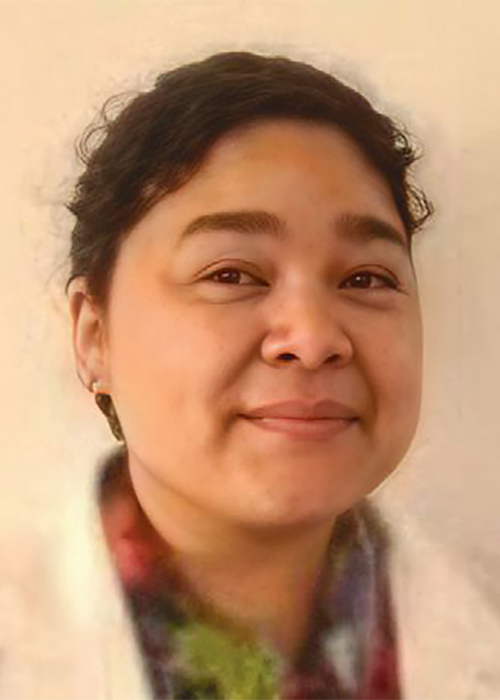
HIV care brings together medicine, justice, and community. Working alongside people living with HIV means not only addressing the virus through high-quality, evidence-based medical care, but also addressing the systems of stigma and inequity that are fundamental to its transmission. I find purpose in providing medical care that restores dignity and builds trust while helping patients live full and healthy lives.
What brought you to the HIV Clinical Fellowship?
I was drawn to this HIV Clinical Fellowship because it aligns to my commitment to caring for marginalized communities – people of color, queer and trans people, and working-class people. Training in a safety-net county hospital allowed me to deepen my skills in providing high-quality patient-centered care in the setting where it is most needed.
What are some key clinical and academic lessons learned through your training with the fellowship?
Through my HIV fellowship, I learned how to provide comprehensive care for people living with HIV while centering the realities of stigma, structural racism, and poverty. Clinically, I gained deeper expertise in managing complex co-occuring conditions, from substance use to chronic illness, in a way that was patient-centered and affirming.
What was your favorite clinical experience and why?
My most valued clinical experiences were caring for patients who had just arrived in the United States and entrusted us with their care within days of arrival. It was deeply meaningful to offer not only medical treatment but also dignity and reassurance. These experiences embodied the heart of HIV medicine: science, equity, and humanity in service of marginalized peoples.
Can you share a memorable experience from program?
I do not have a single standout moment – the experiences I found most memorable was the sense of community I built with my patients and colleagues. Other highlights included teaching medical students and residents about the criminalization of HIV transmission. It was powerful to help future physicians understand how legal and structural forces shape patient care, and to learn how to advocate for their patients.
How did the fellowship prepare you for a career as an HIV Specialist?
I left the fellowship with extensive experience in the outpatient management of co-occurring conditions that complicate HIV care, such as substance use, mental health disorders, and chronic medical illnesses. I developed confidence in tailoring pharmacologic therapy in the setting of drug resistance, and learned how to interpret viral resistance data and apply it to complex treatment decisions.
Mark Lieber, MD, AAHIVS
What makes you passionate about HIV care?
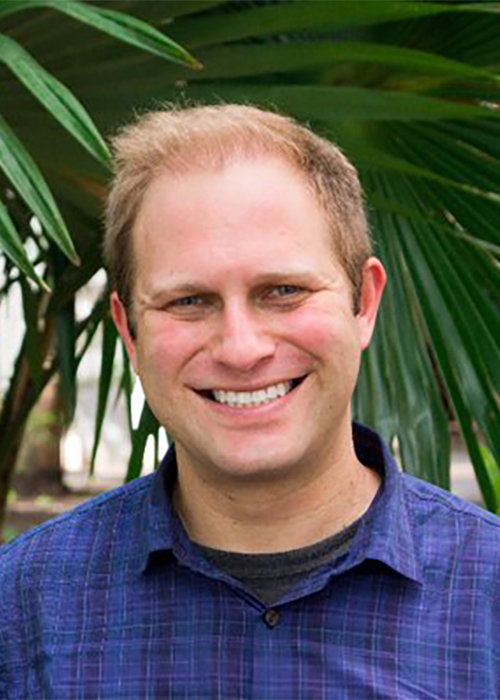
I first became passionate about HIV care while living abroad in Malawi in 2012-2013 and meeting many people with AIDS, including a work colleague/friend who ended up passing away of an HIV-associated coinfection. More recently, I have continued to remain interested in HIV because it disproportionately impacts populations that I enjoy taking care of, including LGBTQ individuals, unhoused individuals, and people struggling with substance use.
What brought you to the HIV Clinical Fellowship?
After Internal Medicine residency, my primary goal was to acquire a strong foundation in HIV medicine and become proficient managing other health conditions frequently seen among PLWHIV. The HIV Clinical Fellowship was unique in that it not only provided excellent training in HIV medicine but also provided mentorship and training in addiction medicine and gender affirming hormone therapy (GAHT). As someone also interested in correctional health, this fellowship also gave me the opportunity to work as an HIV primary care physician in the Los Angeles County Jail system.
What are some key clinical and academic lessons learned through your training with the fellowship?
Many of the patients who I took care of during the HIV Clinical Leadership fellowship had developed significant resistance to many first-line HIV medications. One of the best academic lessons I learned during the fellowship was how to develop an effective treatment regimen for these patients based on their resistance patterns and lifestyle considerations (e.g. how to best provide care for transient and/or unhoused individuals).
What was your favorite clinical experience and why?
I LOVED working as an HIV primary care provider in the women’s jail of Los Angeles County, also referred to as the Century Regional Detention Facility (CRDF). I found this experience to be extremely rewarding because it provided a unique opportunity to intervene in the long-term health trajectory of a vulnerable and high-risk population in a structured and sober setting.
Can you share a memorable experience from program?
When I first started my fellowship, I had a primary care patient who was fighting a deportation order in the courts. He was extremely sick — with multiple comorbidities beyond HIV — and likely would have died if he returned to his home in Mexico. Thankfully, we were able to convince the courts to halt his deportation on health-related grounds, which likely saved his life.
How did the fellowship prepare you for a career as an HIV Specialist?
The HIV Clinical Leadership fellowship trained me to provide HIV services across a range of clinical settings, including county clinics, federally qualified health centers, jail clinics, and street medicine sites. These diverse experiences have made me very adaptable and able to pursue a wide range of career opportunities.
Interested in Becoming a Fellow?
Candidates are competitively selected through a national search for this two-year fellowship program. Those selected will participate in the HIV Clinical Leadership Fellowship Program with a full fellowship salary and benefits. Up to four fellows may be selected for each cohort. Following satisfactory completion of the program, fellows with eligible academic loans may receive up to $150,000 in loan repayment if they continue to provide HIV-related services in underserved communities.
Due to the geographic nature of the HIV epidemic, we highly encourage physicians with an interest in practicing in the South and Mid-Atlantic states to apply. Desired qualifications for potential candidates include:
■ A strong interest in primary care and HIV medicine
■ A strong interest in pursuing and implementing outpatient quality improvement or system innovation
■ A sincere desire to work with underserved communities.
The HIV Clinical Leadership Fellowship Program is seeking applicants who are Board eligible, or Board certified in Family Medicine, Internal Medicine, or Medicine- Pediatrics. Applicants must have completed an accredited United States medical residency program. Please note the fellowship does not support international visas. Applications are accepted starting July 1 of each year at https://www.hivfellowship.com/.