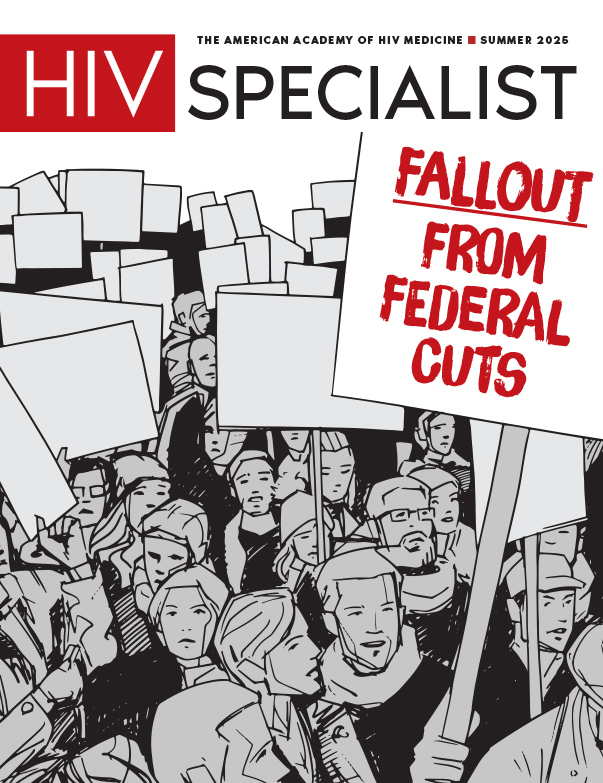
Recent upheavals within the federal government and public health infrastructure are already casting a shadow over the lives of our patients. While some may believe HIV is a concern confined to specific communities, the truth is that the erosion of federal support for HIV programs impacts all individuals regardless of zip code, beliefs, or education level. Ending the HIV epidemic needs to be a community effort; everyone needs to be involved.
As patient advocates and clinicians embedded in the HIV community, we have witnessed firsthand a palpable surge of fear among patients grappling with the very real possibility of federal funding cuts. The anxiety is no longer a distant worry; it’s a constant companion for many as they confront the potential dismantling of the vital safety nets they rely upon.
Programs like Medicaid, the Ryan White HIV Program, the AIDS Drug Assistance Program, and services funded by the Ending the HIV Epidemic initiative are lifelines. The thought of these being diminished or eliminated is negatively impacting patients’ mental health and their ability to maintain stable lives. One long-term survivor, a single mother who relies on ADAP for her medication, recently said, her voice trembling, “If I lose this, I don’t know what I’ll do. It feels like they’re saying my life doesn’t matter.” This sentiment is echoed by countless others.
Financial or administrative constraints are not just an inconvenience; they are a direct threat to patient safety. When resources dwindle, clinics are forced to make impossible choices regarding staffing and essential medical services. This isn’t a hypothetical scenario; clinics are already bracing for potential staff reductions, which will inevitably lead to longer wait times, less personalized care, and an increased risk of errors.
For marginalized and low-income populations, who often lack alternative resources, these cuts are devastating, pushing them further to the brink. The emotional toll of navigating this uncertainty, on top of managing a chronic illness, is immense. Patients who were once stable and hopeful are now living with the constant fear of losing access to the very things that keep them alive, well, and contributing members of society.
The unraveling of this federal support system doesn’t just affect people with HIV; it weakens our entire community. Increased HIV transmission rates due to lack of access to prevention, increased rates of opportunistic infections due to inadequate care, and the sheer human cost of suffering affect us all, regardless of our HIV status.
Ending the HIV epidemic requires a sustained and robust commitment, not a withdrawal. The fallout from these federal changes is not just a policy shift; it’s a human crisis unfolding in our clinics and in the hearts of our patients, and its repercussions will be felt by everyone.